
★★★★★
As an individual and small business owner their services have been awesome. They provide best insurance rates and make the process seamless.
Trilochan Das · Google review

Home › Business insurance › Contractor insurance
Contractor insurance · Independent agency since 2013Most Texas contractors carry general liability, commercial auto for pickup trucks and other work vehicles, tools and equipment coverage, and often workers' comp because general contractors ask for it. HVAC and plumbing licenses also require proof of liability insurance. Inshora Group, an independent agency, compares 25+ carriers for Houston-area contractors and re-shops your policies every renewal.
As an individual and small business owner their services have been awesome. They provide best insurance rates and make the process seamless.
Very responsive friendly and easy to work with. Will work hard to secure you the best!
Inshora Group is amazing! Great customer service, personalized service and they saved me more than $600 a year for better car insurance coverage–phenominal!
Inshora has been absolutely amazing! I went to them looking for home owners insurance at first, and they beat my farmers quote by over 1k per year.
HVAC, plumbing, electrical and remodeling crews are the trades we quote most. These pictures were made for this page. They are not photos of Inshora clients or staff.
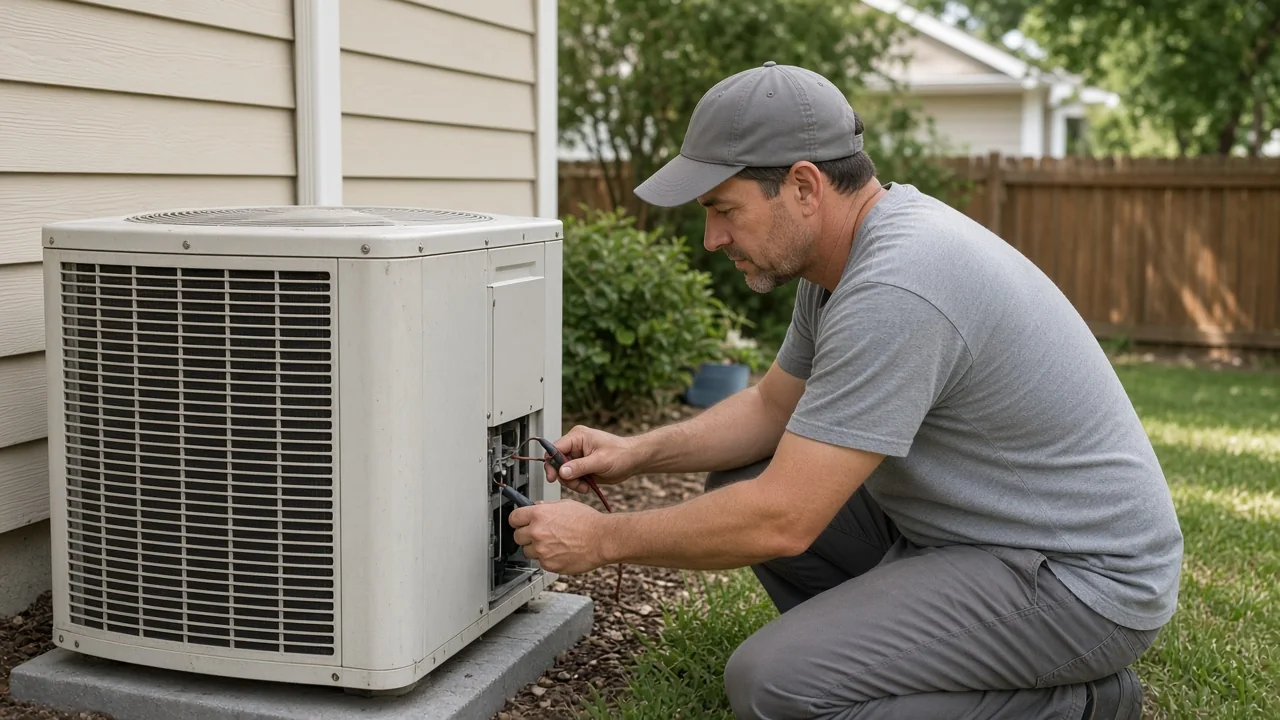
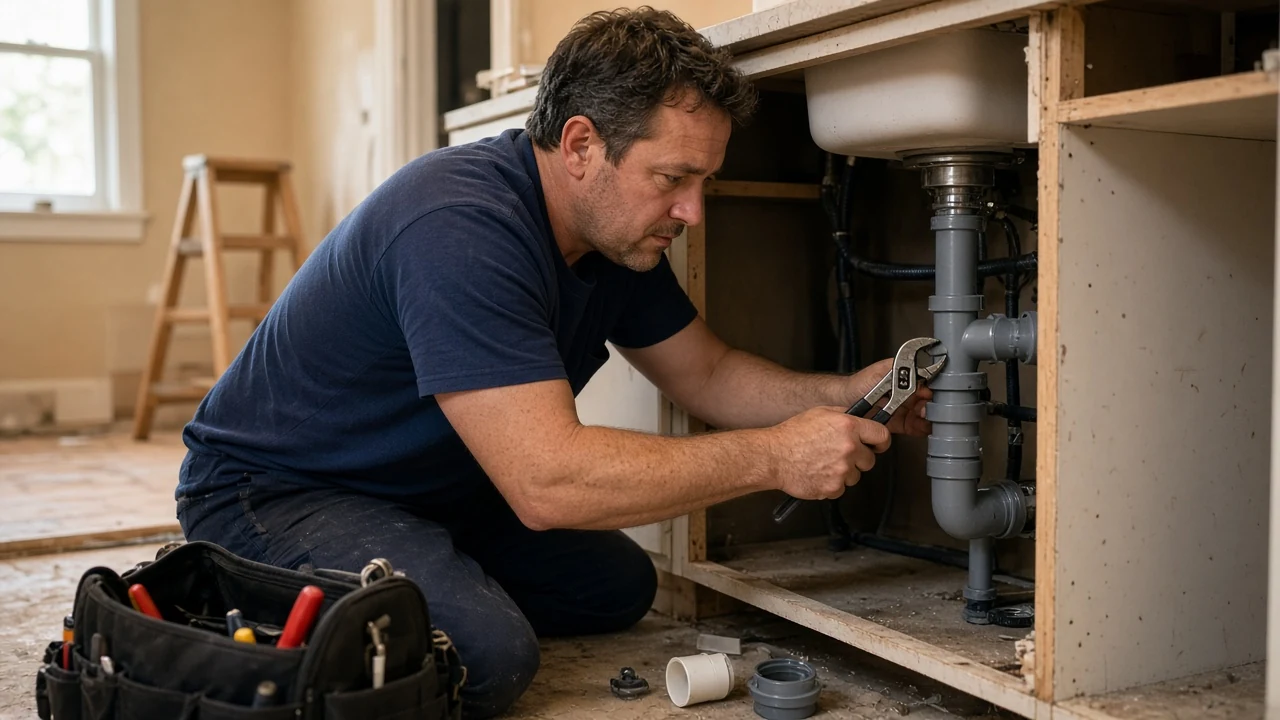
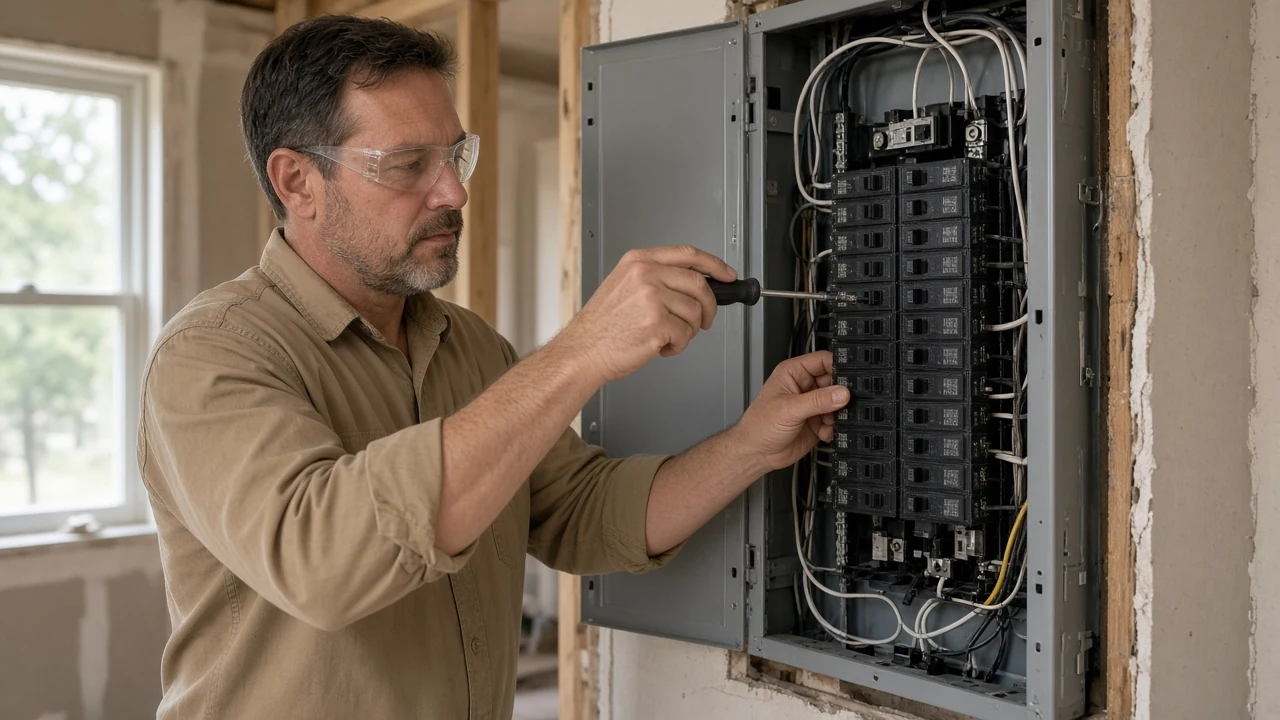
Texas doesn't have one insurance rule for every contractor. Your trade license, your vehicles and the jobs you bid decide what you must carry. Here's what the state actually requires, with a link to each source.
| Who it applies to | The rule | Source |
|---|---|---|
| HVAC / AC contractors (TDLR) | General liability while the license is active. Class A: $300,000 per occurrence, $600,000 aggregate, $300,000 products and completed operations. Class B: $100,000 / $200,000 / $100,000. A certificate of insurance goes to TDLR. | TDLR |
| Responsible master plumbers (TSBPE) | At least $300,000 of commercial general liability for all claims in a one-year period, on the board's certificate form, before you act as an RMP. | TSBPE |
| Pickup trucks and other work vehicles | At least 30/60/25 liability: $30,000 per injured person, $60,000 per accident, $25,000 property damage. | TDI |
| Trucks over 26,000 lbs | Register with TxDMV and carry at least $500,000 liability, with an active insurance filing. | TxDMV |
| Workers' comp | Optional for most private employers. If you don't carry it, you must report that to the state. | TDI |
| Government construction projects | Contractors on a government building or construction project must cover every employee on the project. | 28 TAC §110.110 |
| Certificates of insurance | Must be on a TDI-approved form for Texas risks and can't alter, amend or extend what the policy covers. | TDI |
Electrical contractors also file proof of insurance with TDLR. We'll confirm the current limits for your license when we quote. More detail in our guide to commercial insurance requirements in Texas.
The two you can't skip are liability on your trucks (state law) and general liability if your license requires it. Larger contracts often ask for a commercial umbrella on top of those limits. The rest usually comes from the contracts you sign, or from what you can afford to lose.
| Coverage | What it pays for | Required? | Who usually asks |
|---|---|---|---|
| General liability | Injuries to other people and damage to their property from your work, plus your legal defense. Includes products and completed operations: problems that show up after the job's done. | Required by law for HVAC and RMP licenses; Often in contracts | General contractors, property managers, commercial customers |
| Commercial auto | Pickup trucks, vans and trailers your business owns: liability to others, plus damage to your own vehicles if you add it. | Required by law (30/60/25 minimum) | Contracts that want higher limits |
| Tools & equipment (inland marine) | Tools and gear stolen or damaged on a job site, in storage or in your truck. Auto and general liability policies usually leave these out. | Recommended | Anyone whose tools would stop work if stolen |
| Workers' compensation | Medical bills and lost wages for employees hurt on the job, and it limits lawsuits from employees. | Required by law on government projects; Often in contracts | General contractors, public projects |
| Hired & non-owned auto | Your business's liability when employees use their own cars, or you rent a vehicle, for work. | Recommended | Contracts that ask for "any auto" coverage |
| Builder's risk | The structure and materials while a home or building is going up. | Often in contracts | Construction lenders and project owners |
| Commercial umbrella | Extra liability limits on top of your general liability and commercial auto when a claim is larger than those policies. | Often in contracts | Larger jobs and contracts that want limits above the primary policy |
Most coverage gaps come from assuming one policy covers everything. Here's how claims usually sort out. Your actual policy wording decides.
| What happens | Usually covered by | Watch out |
|---|---|---|
| A customer trips over your cord, or your crew damages a client's floor | General liability | Your own tools and your own employees aren't covered by it. |
| A leak from a fitting you installed shows up months later | General liability (completed operations) | This is the "products and completed operations" limit TDLR asks HVAC contractors to carry. |
| Your company pickup rear-ends someone on the way to a job | Commercial auto | A personal policy may limit business use, so check before you rely on it. |
| Tools are stolen from the van overnight | Tools & equipment (inland marine) | Commercial auto usually covers the van, not what's inside it. |
| An employee falls off a ladder | Workers' comp, if you carry it | Without it, the employee can sue the business. TDI explains the trade-off. |
| An employee drives their own car to the supply house and causes a wreck | Hired & non-owned auto | Their personal policy usually pays first. This covers the business. |
| A fire destroys the framing on a house you're building | Builder's risk | General liability doesn't pay for the building you're working on. |
| A serious job-site claim or wreck exceeds your general liability or auto limit | Commercial umbrella | It only pays after the underlying policy's limit is used up, and only if that policy is listed on the umbrella. |
There's no honest single number. Carriers weigh these factors differently, which is why we compare 25+ of them instead of quoting one.
| Factor | Why it matters | What helps |
|---|---|---|
| Your trade and the work you do | HVAC, electrical and remodeling carry different risks. So do residential and commercial jobs. | Describe your work exactly, including any work you do occasionally. |
| Revenue and payroll | General liability and workers' comp are often priced on these and checked at an audit. | Give realistic estimates so the audit doesn't surprise you. |
| Subcontractors | Carriers may charge for subs who don't have their own insurance. | Collect a certificate from every sub before they start. |
| Claims in the last 3 to 5 years | Past claims are the strongest signal carriers have. | Have your loss runs ready. We can request them. |
| Pickup trucks and other vehicles | A pickup truck, a van and a small fleet are rated differently, along with each driver's record. | Keep the vehicle and driver lists current. |
| Limits and deductibles | Higher limits cost more. A higher deductible can lower the premium. | Quote the limits your contracts actually require, not guesses. |
| Years in business | Newer contractors usually get fewer carrier options. | Prior experience in the trade can still help. Tell us about it. |
It takes about a minute. Already insured? Email us your declarations page instead.
Within 15 minutes during office hours, Mon–Fri 9–5:30. After hours, the next business morning.
You see your options side by side, in plain English. We're an independent agency, so we don't work for one insurance company.
Every year before your policies renew, we shop them again.
Have these handy if you can. Don't have them all? Start anyway and we'll walk you through it.
Prefer email? Send documents to support@inshoragroup.com with your business name in the subject. We'll call you to go over them.
Most contractors carry general liability, commercial auto for pickup trucks and other work vehicles, and tools and equipment coverage. Many add workers' comp because general contractors and government projects require it. The state requires liability on your vehicles (at least 30/60/25) and, for some licenses, general liability. Your contracts set the rest, so send them with your quote request.
TDLR and the plumbing board each set their own minimums. TDLR requires Class A air conditioning and refrigeration contractors to carry general liability of at least $300,000 per occurrence, $600,000 aggregate and $300,000 for products and completed operations (Class B: $100,000 / $200,000 / $100,000). A responsible master plumber needs at least $300,000 of commercial general liability on file with the TSBPE.
Not for most private jobs. The Texas Department of Insurance says private employers can choose. It is required for contractors on government building or construction projects (28 TAC §110.110), and many general contractors won't let you on a job without it. We'll price it so you can decide with real numbers.
No. General liability covers injuries and damage you cause to other people. Your pickup truck needs commercial auto, and your tools need tools and equipment (inland marine) coverage. Commercial auto usually covers the vehicle, not the tools inside it.
Often no, or not fully. Personal policies can limit or exclude business use, and a pickup truck titled to your company usually needs a commercial policy. If you also drive the truck to jobs, send us your declarations page and we'll show you where the gaps are.
You're covered if that pickup truck is listed on your commercial auto policy and the person driving was allowed to use it. Liability pays the other people; damage to your own pickup is only covered if you added collision. If the truck isn't on the policy yet, there can be a gap — call us and we'll go through it with you.
Yes, if the policy has an additional insured endorsement. A certificate on its own can't add coverage: Texas certificates can't alter, amend or extend the policy (TDI certificates FAQ). Send us the contract and the holder's details and we'll make sure the policy and certificate match.
Have us re-shop it. We compare 25+ carriers every year at renewal, which is how we look for a better option when one company raises the rate. Send us your current declarations page or start a quote, and we'll start the comparison.
Many larger contracts ask for one. A commercial umbrella adds liability limits on top of your general liability and commercial auto when a claim exceeds those policies. We'll tell you if a contract is asking for it and quote it with the rest of your coverage.
6920 Brisbane Ct Ste 234, Sugar Land, TX 77479. We insure businesses across Fort Bend, greater Houston and other Texas cities.
Pick your business type and ZIP. We'll compare carriers now and re-shop your policies every year at renewal.
Sources checked Nov 26, 2026. Job-site and vehicle photos on this page were made for the draft. They are not pictures of Inshora clients, staff or their trucks.
Independent insurance agency serving Houston, its suburbs and other Texas cities since 2013. Inshora Group is not an insurance company. Policies are issued by the insurance companies we represent, and coverage, availability and price depend on each company's underwriting. This page is general information, not legal advice or a quote.
