
★★★★★
As an individual and small business owner their services have been awesome. They provide best insurance rates and make the process seamless.
Trilochan Das · Google review

Home › Business insurance › Builder's risk insurance
Builder's risk · Independent agency since 2013Builder's risk insurance covers a home or building while it's under construction, including the materials on site, against covered losses like fire, theft and wind. Your lender or contract usually requires it before work or the loan closes. Inshora Group, an independent agency, compares 25+ carriers for homeowners, builders and contractors across the Houston area.
As an individual and small business owner their services have been awesome. They provide best insurance rates and make the process seamless.
Very responsive friendly and easy to work with. Will work hard to secure you the best!
Inshora Group is amazing! Great customer service, personalized service and they saved me more than $600 a year for better car insurance coverage–phenominal!
Inshora has been absolutely amazing! I went to them looking for home owners insurance at first, and they beat my farmers quote by over 1k per year.
The frame going up, the materials stacked on site, and the finished building you're paying for. These are public domain and CC0 photos. They are not photos of Inshora clients or their projects.
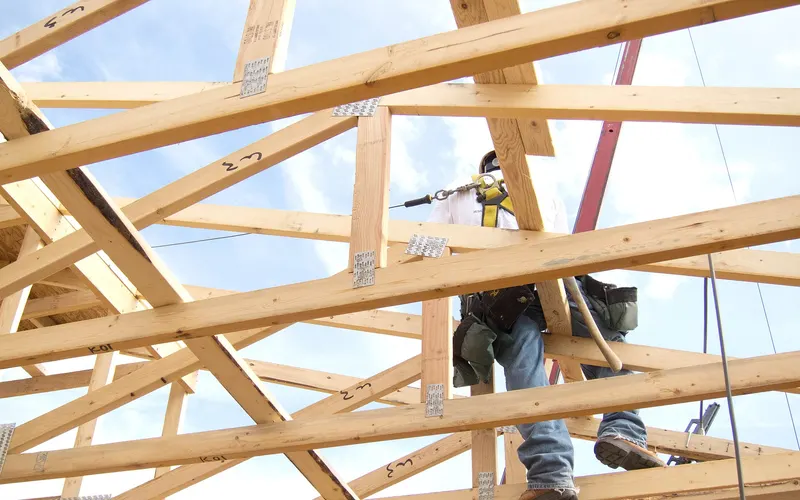
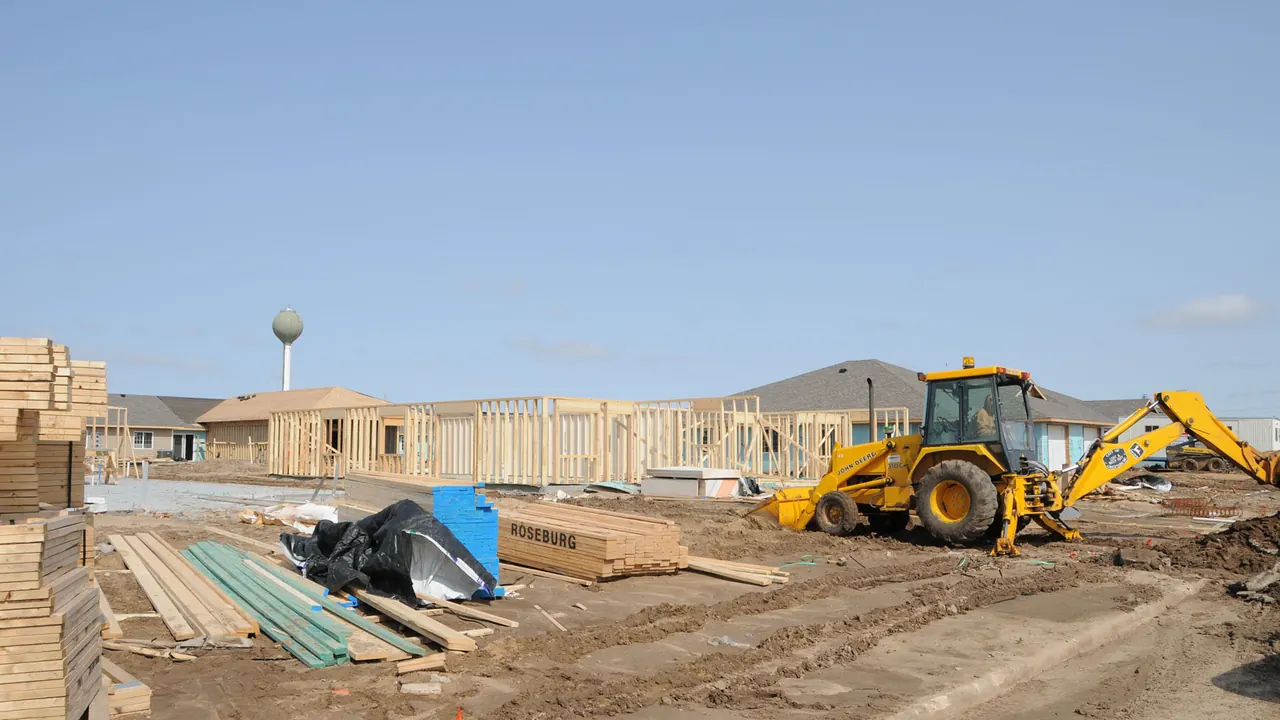
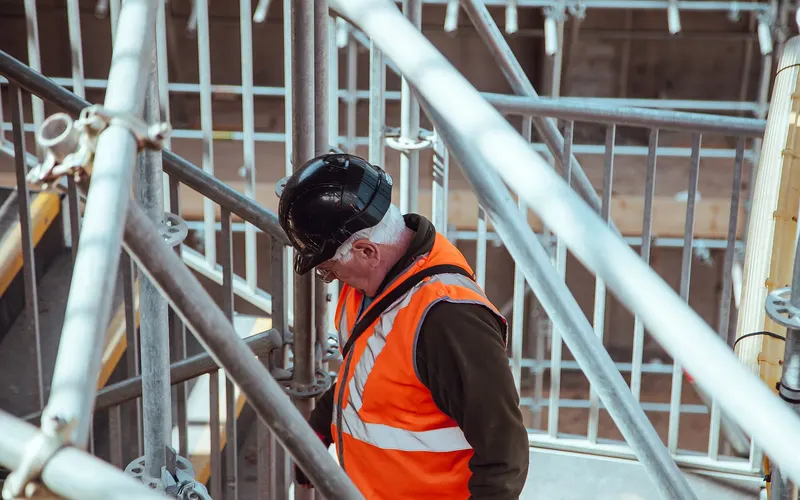
Texas law doesn't make you buy builder's risk. Your construction lender or your contract usually does. A few state rules still matter while you build, with a link to each source.
| Who it applies to | The rule | Source |
|---|---|---|
| Building near the coast (TWIA) | TWIA only covers the 14 first-tier coastal counties and parts of Harris County east of Highway 146. A property must be certified as built to the applicable building code to be eligible. | TWIA |
| Sugar Land, Katy and the rest of Fort Bend | Not in TWIA's area. Wind and hail coverage during the build comes from the builder's risk policy itself. | TWIA |
| Government building or construction projects | Contractors must cover every employee on the project with workers' comp. | 28 TAC §110.110 |
| Workers' comp on private jobs | Optional for most private employers. If you don't carry it, you must report that to the state. | TDI |
| Certificates of insurance | Must be on a TDI-approved form for Texas risks and can't alter, amend or extend what the policy covers. | TDI |
Your lender's insurance letter and your construction contract set the real requirements. Send them with your quote request. More detail in our guide to commercial insurance requirements in Texas.
Builder's risk covers the structure being built. It doesn't cover injuries to other people or your tools, so most projects pair it with the contractor's own general liability and other policies.
| Coverage | What it pays for | Required? | Who usually asks |
|---|---|---|---|
| Builder's risk | The structure and the materials on site, in transit or stored for the job, from covered causes like fire, theft, vandalism and wind. | Often in contracts | Construction lenders, project owners, contracts |
| General liability | Injuries to other people and damage to their property from the work, plus legal defense. Usually carried by the builder or contractor. | Often in contracts | Owners, lenders, general contractors |
| Tools & equipment (inland marine) | The contractor's own tools and equipment. Builder's risk usually leaves these out. | Recommended | Contractors on the job |
| Workers' compensation | Medical bills and lost wages for employees hurt on the job. | Required by law on government projects; Often in contracts | General contractors, public projects |
| Commercial auto | Trucks and trailers used for the project. | Required by law (30/60/25 minimum) | Contracts that want higher limits |
| Commercial umbrella | Extra liability limits on top of general liability and auto. | Often in contracts | Larger projects and contracts |
Most coverage gaps come from assuming one policy covers everything. Here's how claims usually sort out. Your actual policy wording decides.
| What happens | Usually covered by | Watch out |
|---|---|---|
| A fire destroys the framing halfway through the build | Builder's risk | Coverage is usually based on the finished value of the project, so set the limit for the completed building. |
| Copper wire and appliances are stolen from the site overnight | Builder's risk, if theft is included | Some policies limit theft of materials not yet installed. Ask about fencing, lighting and storage conditions. |
| A storm tears off roof decking before it's dried in | Builder's risk | Many policies carry a separate wind and hail deductible. Check it before the roof goes on. |
| The contractor's tools are stolen from the site | Tools & equipment (inland marine) | Builder's risk covers the building, not the contractor's tools. |
| A neighbor is hurt by falling debris | General liability | Builder's risk doesn't pay for injuries to other people. |
| You're adding a room onto a home you live in | Builder's risk or a renovation endorsement, plus your homeowners policy | Tell your homeowners carrier about the remodel. Who covers the existing house and who covers the new work has to be clear. |
There's no honest single number. Carriers weigh these factors differently, which is why we compare 25+ of them instead of quoting one.
| Factor | Why it matters | What helps |
|---|---|---|
| Completed value of the project | Builder's risk is usually priced on what the building will be worth when it's finished. | Use the full contract or construction budget, not the current progress. |
| Construction type | Wood frame, masonry and steel carry different fire and wind risk. | Describe the framing, roof and exterior. |
| Location | The ZIP code affects wind, hail and theft risk. | Give the exact site address. |
| Length of the project | Longer builds mean more time exposed. | Give a realistic schedule and ask what an extension costs. |
| Site security | Theft is a big part of builder's risk losses. | Fencing, lighting and locked storage can help. |
| Deductibles | A higher deductible can lower the premium. | Pick one you could pay if the worst happened. |
| Experience of the builder | Carriers look at who is doing the work. | Share the builder's experience and license details. |
There's no single number we can give you before we see the project. These are the things that usually move the price.
It takes about a minute. Already insured? Email us your declarations page instead.
Within 15 minutes during office hours, Mon–Fri 9–5:30. After hours, the next business morning.
You see your options side by side, in plain English. We're an independent agency, so we don't work for one insurance company.
Every year before your policies renew, we shop them again.
Have these handy if you can. Don't have them all? Start anyway and we'll walk you through it.
Prefer email? Send documents to support@inshoragroup.com with your business name in the subject. We'll call you to go over them.
It's property insurance for a building while it's under construction. It covers the structure and the materials on site, in transit or in storage for the job, against covered causes like fire, theft, vandalism and wind. It usually ends when the building is finished and put to use.
The building and its materials during construction, from covered losses. It usually doesn't cover the contractor's tools, injuries to other people, faulty work itself or normal wear. Each policy lists what's excluded, so we go through it with you before you buy.
Texas law doesn't require it, but if you have a construction loan, the lender almost always will. Even without a loan, it protects the money you're putting into the house before it's finished. Start a quote with the site address and budget.
Either one can. Your construction contract or lender usually decides. On a custom home the owner often buys it; on a spec home the builder does. What matters is that someone does, and that both of you are named the way the contract says.
Not a new home that isn't finished yet. A standard homeowners policy is written for a completed home you live in. For a remodel or addition on a home you live in, call your homeowners carrier before work starts and ask what it covers. You may need builder's risk or a renovation endorsement for the new work.
Many policies cover theft of materials on site, but some limit it for materials not yet installed or require fencing or locked storage. Appliances and copper are frequent targets, so ask about these conditions before you buy.
Usually yes, unless the policy excludes it. Fort Bend County isn't in TWIA's coverage area, so wind and hail coverage comes from the builder's risk policy itself. Many policies carry a separate wind and hail deductible, so check it before the roof goes on.
There's no honest single number. It's usually priced on the completed value, the construction type, the location, the length of the build and the deductible. We'll quote your actual project with 25+ carriers instead of guessing.
Most policies end at the earliest of a few events: the policy expires, the building is occupied or put to its intended use, or your interest in it ends, such as at a sale. Read your policy's wording, and line up the homeowners or property policy so there's no gap.
It can. Renovation builder's risk covers the new work and materials. Coverage for the existing building varies by carrier, so tell us what's there now and what you're changing. Your current homeowners or property carrier should know about the project too.
The site address, completed value or budget, construction type, start and finish dates, who's building it, and the lender's insurance letter showing how they want to be named. Send it all to support@inshoragroup.com, and we'll compare carriers and send the lender what they need. We can't promise a lender will accept a given policy, so we check their letter first.
Sometimes. Some carriers will write a project already underway, often with photos, an inspection or a statement that there's been no loss so far. Others won't. Call us as soon as you can.
Yes. We're an independent insurance agency serving Houston, its suburbs and other Texas cities since 2013, including Sugar Land, Katy and the rest of Fort Bend County. Call (713) 943-9985 and we'll call back within 15 minutes during office hours.
6920 Brisbane Ct Ste 234, Sugar Land, TX 77479. We insure businesses across Fort Bend, greater Houston and other Texas cities.
Pick your business type and ZIP. We'll compare carriers now and re-shop your policies every year at renewal.
Sources checked Nov 27, 2026. Photos on this page are public domain (U.S. government / FEMA, NIOSH) or CC0 images from Wikimedia Commons. They are not pictures of Inshora clients or their projects.
Independent insurance agency serving Houston, its suburbs and other Texas cities since 2013. Inshora Group is not an insurance company. Policies are issued by the insurance companies we represent, and coverage, availability and price depend on each company's underwriting. This page is general information, not legal advice or a quote.
