
★★★★★
As an individual and small business owner their services have been awesome. They provide best insurance rates and make the process seamless.
Trilochan Das · Google review

Home › Business insurance › Strip center & lessor's risk insurance
Strip centers & lessor's risk · Independent agency since 2013Lessor's risk insurance covers the owner of a building leased to tenants: property coverage for the building, liability for common areas and parking lots, and lost rent after a covered loss. Inshora Group, an independent agency, compares 25+ carriers for Houston-area strip centers, retail plazas and buildings you lease out, and re-shops your policies every renewal.
As an individual and small business owner their services have been awesome. They provide best insurance rates and make the process seamless.
Very responsive friendly and easy to work with. Will work hard to secure you the best!
Inshora Group is amazing! Great customer service, personalized service and they saved me more than $600 a year for better car insurance coverage–phenominal!
Inshora has been absolutely amazing! I went to them looking for home owners insurance at first, and they beat my farmers quote by over 1k per year.
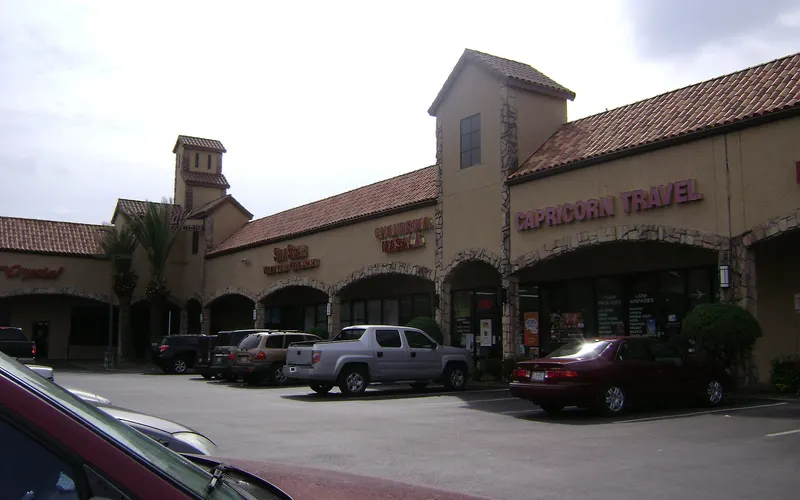
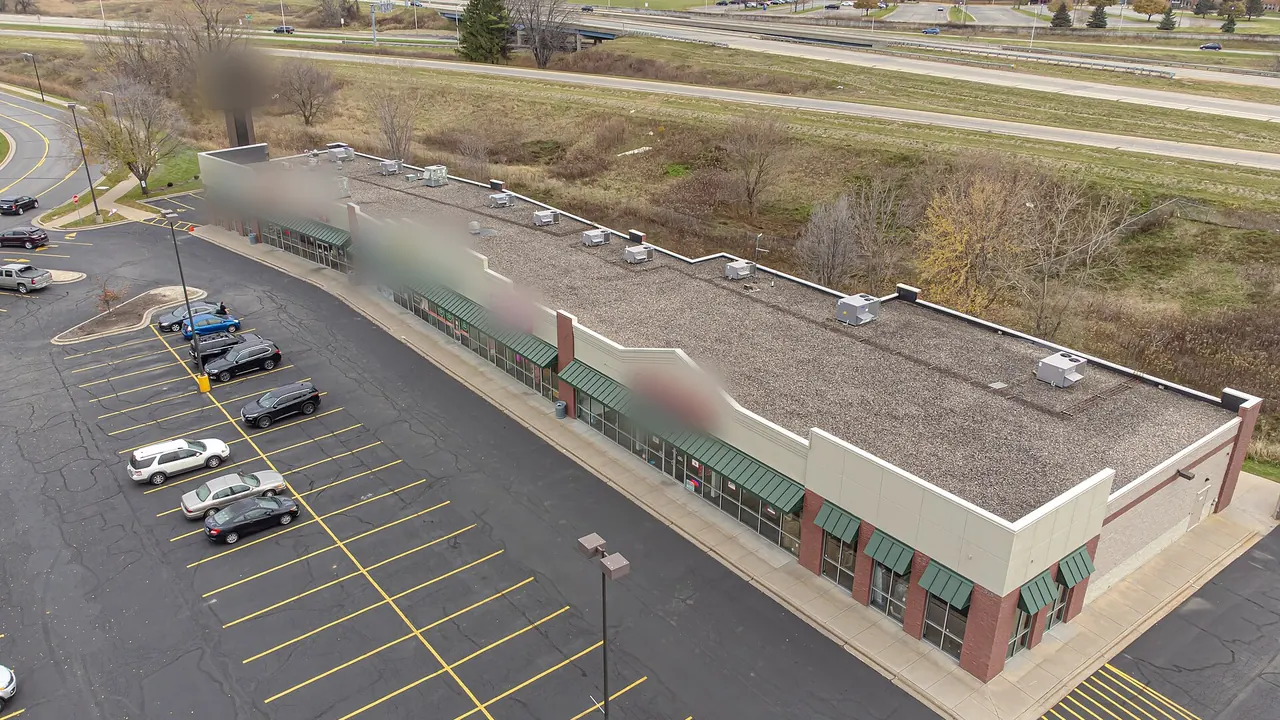
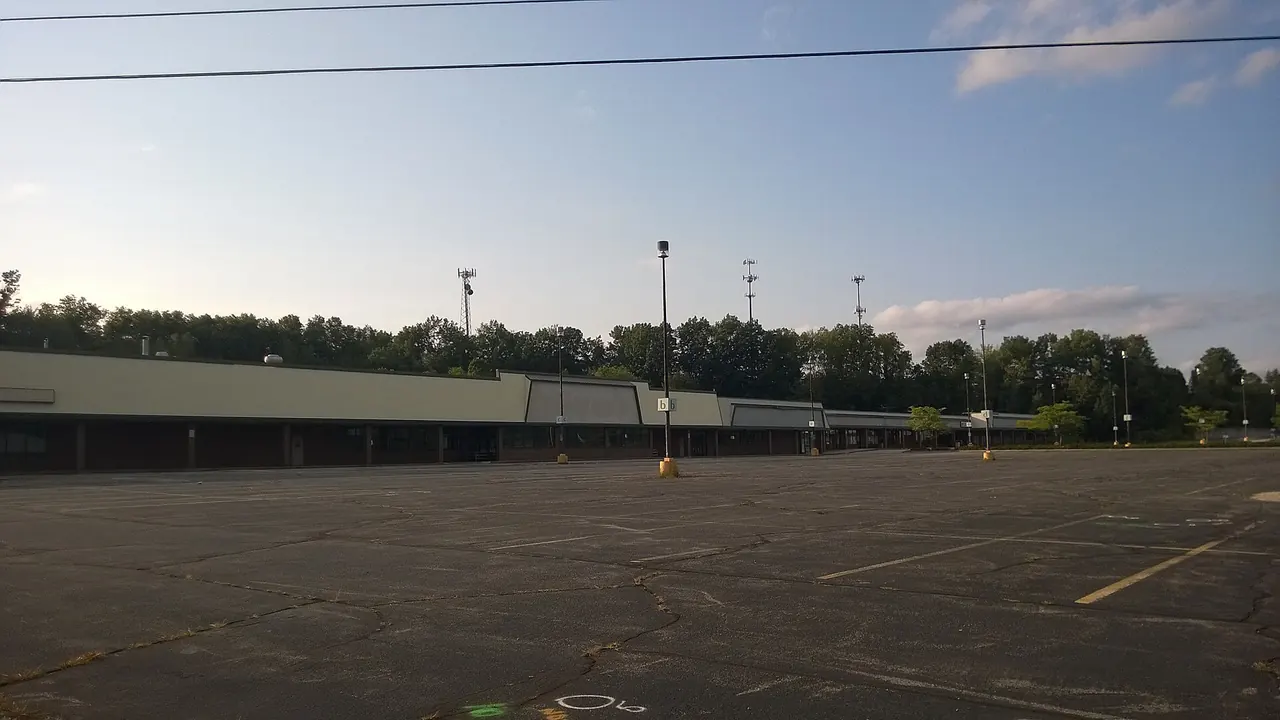
The building, the parking lot your customers cross, and the rent your tenants pay. These are public domain and CC0 photos; signs in one photo were blurred to remove brand names. They are not photos of Inshora clients or their properties.
Texas law doesn't make a private landlord buy building or liability insurance. Your lender and your leases usually do. These are the state rules worth knowing, with a link to each source.
| Who it applies to | The rule | Source |
|---|---|---|
| Wind and hail through TWIA | TWIA only covers the 14 first-tier coastal counties and parts of Harris County east of Highway 146. Sugar Land and the rest of Fort Bend County aren't eligible. | TWIA |
| TWIA eligibility in its area | The property must have been turned down by at least one authorized insurer and be certified as built to code. | TWIA |
| Workers' comp | Optional for most private employers, including landlords with maintenance staff. If you don't carry it, you must report that to the state. | TDI |
| Tenants' certificates of insurance | Must be on a TDI-approved form for Texas risks and can't alter, amend or extend what the tenant's policy covers. A certificate alone doesn't make you an additional insured. | TDI |
Your loan documents and leases are where most requirements live. Send them with your quote request and we'll match the limits. More detail in our guide to commercial insurance requirements in Texas.
None of these is required by Texas law for a private landlord. Your lender, your leases and what you could afford to lose decide what you carry.
| Coverage | What it pays for | Required? | Who usually asks |
|---|---|---|---|
| Property (the building) | The building, parking lot lights and signs, from fire, wind, hail and other covered causes. | Often in contracts | Lenders |
| Loss of rents | Rent you lose while a covered loss keeps tenants out. | Recommended | Lenders, owners who depend on the rent |
| Lessor's risk only general liability | Injuries in common areas, sidewalks and parking lots you control, plus legal defense. | Often in contracts | Lenders; some leases |
| Commercial umbrella | Extra liability limits on top of general liability. | Often in contracts | Lenders and larger centers |
| Workers' compensation | Medical bills and lost wages for maintenance staff hurt on the job. | Recommended | Owners with employees |
| Fidelity bond | Theft of rent money or property by an employee or property manager. | Recommended | Owners with on-site staff collecting rent |
Most coverage gaps come from assuming one policy covers everything. Here's how claims usually sort out. Your actual policy wording decides.
| What happens | Usually covered by | Watch out |
|---|---|---|
| A shopper slips on ice-melt or a pothole in the parking lot | Lessor's risk general liability | Check whether the lease puts parking lot upkeep on you or the tenants. |
| A fire starts in a restaurant tenant's kitchen and spreads | Your property policy for the building; the tenant's policy for their contents | Carriers ask about restaurant tenants' hoods and fire suppression systems. |
| Hail damages the roof across the whole center | Property | Many policies carry a percentage wind and hail deductible. Know yours in dollars. |
| Tenants close for months after the fire | Loss of rents | It pays only for covered losses and only up to the limit you choose. |
| A slip-and-fall inside a tenant's shop | The tenant's general liability first | Require tenants to name you as an additional insured. |
| Vandals break into a unit that has been empty for months | Property, subject to the vacancy clause | Long vacancies can limit coverage. Tell us about empty units. |
There's no honest single number. Carriers weigh these factors differently, which is why we compare 25+ of them instead of quoting one.
| Factor | Why it matters | What helps |
|---|---|---|
| Building size, age and roof | Roof age, wiring and construction type drive the property price. | Have the roof year and any updates ready. |
| Location | The ZIP code affects wind, hail and crime risk. | Give the exact address. |
| Tenant mix | Restaurants, bars and auto shops carry more risk than offices or retail. | Send a current rent roll with each tenant's business. |
| Vacancy | Empty units raise vandalism and maintenance risk. | Tell us how many units are vacant and for how long. |
| Who maintains the property | Owner-maintained common areas cost more to insure than tenant-maintained ones. | Send the maintenance section of your leases. |
| Claims in the last 3 to 5 years | Past claims are the strongest signal carriers have. | Have your loss runs ready. We can request them. |
| Limits and deductibles | Higher limits cost more. A higher wind and hail deductible can lower the premium. | Quote the limits your lender actually requires. |
These names overlap, which is why owners end up with the wrong policy. Here's how they usually differ. Your carrier's wording decides.
| Policy | Who it fits | What it usually covers | Watch out |
|---|---|---|---|
| Lessor's risk only (LRO) | Owners who lease the whole building to tenants and don't operate in it | Building property, landlord liability for common areas, loss of rents | Usually not a fit if you run your own business in part of the building |
| General liability (business) | A business that operates at the location | Injuries and damage from the business's own operations | A tenant's policy, not a substitute for the owner's coverage |
| Business owner's policy (BOP) | Smaller owners who occupy part of the building, if the carrier allows it | Property and liability bundled together | Eligibility depends on size, tenants and carrier rules |
| Landlord (dwelling) policy | Owners of rental houses and small residential units | The dwelling, liability and lost rent | Built for residential rentals, not retail centers |
Carriers often write a center the owner maintains under general liability class code 61217 (lessor's risk only, maintained by the insured). The right class depends on your leases.
Your leases do a lot of the insuring for you if they ask for the right things. These are the common ones; your attorney should write the actual lease language.
It takes about a minute. Already insured? Email us your declarations page instead.
Within 15 minutes during office hours, Mon–Fri 9–5:30. After hours, the next business morning.
You see your options side by side, in plain English. We're an independent agency, so we don't work for one insurance company.
Every year before your policies renew, we shop them again.
Have these handy if you can. Don't have them all? Start anyway and we'll walk you through it.
Prefer email? Send documents to support@inshoragroup.com with your business name in the subject. We'll call you to go over them.
Lessor's risk only (LRO) is insurance for an owner who leases a building to tenants and doesn't run a business in it. It usually covers the building, your liability as landlord for common areas and parking lots, and lost rent after a covered loss. If you own a strip center or a building you lease out, it's usually the right starting point.
A business owner's policy bundles property and liability for a business that operates in the building. Lessor's risk is built for an owner whose tenants operate in it. Some smaller owners who occupy part of the building can use a BOP, if the carrier allows it. We'll tell you which one fits.
No. Sugar Land and the rest of Fort Bend County aren't in TWIA's coverage area, which covers the 14 first-tier coastal counties and parts of Harris County east of Highway 146. Wind and hail coverage comes from your regular property policy.
It's a percentage of the building's insured value, not of the claim. For example, if the building is insured for $2,000,000, a 2% deductible means you pay the first $40,000 of a wind or hail claim. Ask us to show your deductible in dollars before you choose.
General liability with you named as an additional insured by endorsement, a current certificate every year, their own contents coverage, and liquor liability from any tenant that serves alcohol. Your attorney should write the lease language. We can review what your carrier expects.
Usually, but long vacancies matter. Many property policies limit coverage for things like vandalism and glass breakage once a building has been vacant for more than 60 days in a row, and for a multi-tenant building, "vacant" often depends on how much of the space is rented and in use. One empty unit doesn't usually trigger it; several can. Tell us about every vacancy.
It depends on who controls the lot under your leases. If you maintain it, your lessor's risk general liability usually responds. If a tenant does, their policy should, with you named as an additional insured. Check the maintenance section of each lease.
Only if you add loss of rents (rental income) coverage. It pays rent you lose while a covered loss keeps tenants out, up to the limit and time period you choose.
Restaurants raise the fire risk, so carriers ask about hoods, hood cleaning and fire suppression systems. Require restaurant tenants to keep those up and to carry their own liability, and liquor liability if they serve alcohol.
There's no honest single number. Price depends on the building's age and roof, the location, the tenant mix, vacancies, who maintains the property and past claims. We'll quote your actual center with 25+ carriers.
Hail claims in the area push rates and deductibles up at many carriers. Have us re-shop it: we compare 25+ carriers every year at renewal, and we can show you what a different wind and hail deductible would do to the price. Send your current declarations pages or start a quote.
The address, square footage, year built and roof age, a rent roll with each tenant's business, current vacancies, who maintains what under the leases, and your lender's insurance letter. We'll line up coverage to start at closing.
6920 Brisbane Ct Ste 234, Sugar Land, TX 77479. We insure businesses across Fort Bend, greater Houston and other Texas cities.
Pick your business type and ZIP. We'll compare carriers now and re-shop your policies every year at renewal.
Sources checked Nov 27, 2026. Photos on this page are public domain or CC0 images from Wikimedia Commons; brand signs in the aerial photo were blurred. They are not pictures of Inshora clients or their properties.
Independent insurance agency serving Houston, its suburbs and other Texas cities since 2013. Inshora Group is not an insurance company. Policies are issued by the insurance companies we represent, and coverage, availability and price depend on each company's underwriting. This page is general information, not legal advice or a quote.
