
★★★★★
As an individual and small business owner their services have been awesome. They provide best insurance rates and make the process seamless.
Trilochan Das · Google review

Home › Business insurance › Home health agency insurance
Home health & home care · Independent agency since 2013Most Texas home health and home care agencies carry professional and general liability, abuse and molestation coverage, hired and non-owned auto for caregivers who drive, and often workers' comp. Medicaid managed care plans generally require professional liability of $100,000 per occurrence and $300,000 aggregate. Inshora Group, an independent agency, compares 25+ carriers and re-shops your policies every renewal.
As an individual and small business owner their services have been awesome. They provide best insurance rates and make the process seamless.
Very responsive friendly and easy to work with. Will work hard to secure you the best!
Inshora Group is amazing! Great customer service, personalized service and they saved me more than $600 a year for better car insurance coverage–phenominal!
Inshora has been absolutely amazing! I went to them looking for home owners insurance at first, and they beat my farmers quote by over 1k per year.
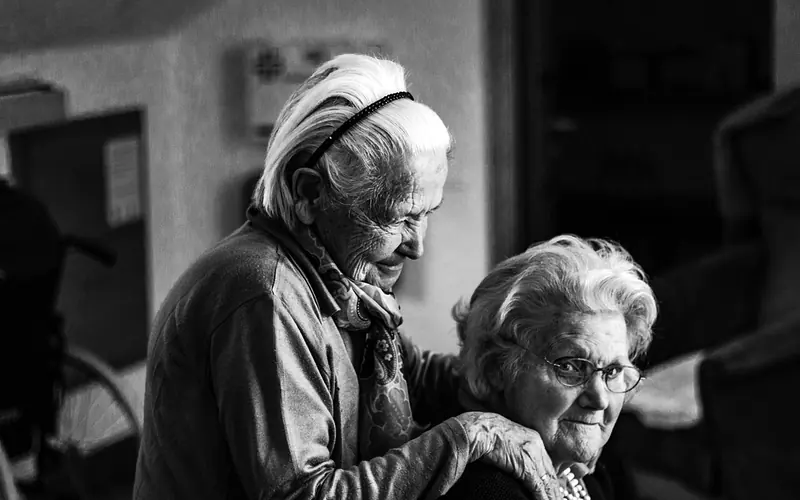
In the client's home, on the road between visits, and in the office where records are kept. These are stock photos used under a CC0 license. They are not photos of Inshora clients, staff or patients.


Texas licensing rules for home and community support services agencies (HCSSAs) don't set a liability insurance amount. Your Medicaid plan contracts, referral sources and private clients usually do. Here's what the rules actually say, with a link to each source.
| Who it applies to | The rule | Source |
|---|---|---|
| HCSSA license (26 TAC Chapter 558) | No liability insurance minimum and no bond requirement in the license rules. The agency must have the financial ability to carry out its functions. | HHSC |
| Medicaid managed care network providers | The standard HHSC contract has plans make sure network providers carry professional liability of $100,000 per occurrence and $300,000 in the aggregate. | UMCC §17.01 |
| Community-based long-term services and supports | A plan may waive that professional liability requirement for these providers, but not if you also provide other covered services or a Texas licensing body requires the coverage. | UMCC §17.01 |
| Workers' comp | Optional for most private employers. If you don't carry it, you must report that to the state. | TDI |
| Vehicles the agency owns | At least 30/60/25 liability: $30,000 per injured person, $60,000 per accident, $25,000 property damage. | TDI |
| Certificates of insurance | Must be on a TDI-approved form for Texas risks and can't alter, amend or extend what the policy covers. | TDI |
Your plan's own provider contract is what counts. Send it to us and we'll match the limits before you credential. More detail in our guide to commercial insurance requirements in Texas.
Texas licensing doesn't require any of these, except liability on vehicles the agency owns. Your Medicaid plan contracts, referral sources and clients decide most of the rest. Some contracts also ask for a commercial umbrella on top.
| Coverage | What it pays for | Required? | Who usually asks |
|---|---|---|---|
| Professional liability | Claims that care was done wrong or missed, such as a missed visit or a care plan not followed, plus your legal defense. | Often in contracts Medicaid plans: $100,000 per occurrence / $300,000 aggregate | Medicaid managed care plans, referral sources |
| General liability | Injuries to clients or visitors and damage to their property, such as a caregiver breaking something in a client's home. | Often in contracts | Clients, landlords, referral partners |
| Abuse & molestation | Claims alleging abuse by a caregiver, plus legal defense. Many liability policies exclude or limit these claims. | Recommended | Agencies serving older adults, people with disabilities or children |
| Hired & non-owned auto | The agency's liability when caregivers drive their own cars between visits or take clients to appointments. | Recommended | Agencies whose caregivers drive for work |
| Workers' compensation | Medical bills and lost wages for caregivers hurt on the job, and it limits lawsuits from employees. | Recommended | Agencies with employee caregivers; some contracts |
| Cyber | A breach of client health or payment records, and the cost of responding to it. | Recommended | Agencies that keep records on computers or phones |
| Commercial auto | Cars or vans the agency owns: liability to others, plus damage to your own vehicles if you add it. | Required by law (30/60/25 minimum) | Lenders on financed vehicles |
| Property | Your office furniture, computers and equipment, from fire, theft and other covered causes. | Recommended | Landlords |
| Commercial umbrella | Extra liability limits on top of your general liability and auto when a claim is larger than those policies. | Often in contracts | Contracts that want higher limits |
Most coverage gaps come from assuming one policy covers everything. Here's how claims usually sort out. Your actual policy wording decides.
| What happens | Usually covered by | Watch out |
|---|---|---|
| A client falls while a caregiver is helping them move | Professional or general liability, depending on the policy wording | Many agencies carry both. Make sure the two policies line up with no gap. |
| A caregiver breaks a client's TV while cleaning | General liability | Your own office equipment needs property coverage. |
| A family alleges a caregiver abused their parent | Abuse & molestation coverage, if you carry it | General and professional liability often exclude or limit these claims. |
| A caregiver drives their own car to a visit and causes a wreck | Hired & non-owned auto | Their personal policy usually pays first. This covers the agency. |
| A caregiver hurts their back lifting a client | Workers' comp, if you carry it | Without it, the employee can sue the agency. TDI explains the trade-off. |
| A laptop or phone with client records is stolen | Cyber | Carriers ask whether devices are password-protected and encrypted. |
| A claim is larger than your liability limit | Commercial umbrella | It only pays after the underlying policy's limit is used up, and only if that policy is listed on the umbrella. |
There's no honest single number. Carriers weigh these factors differently, which is why we compare 25+ of them instead of quoting one.
| Factor | Why it matters | What helps |
|---|---|---|
| Services you provide | Skilled nursing, therapy and non-medical personal care carry different risks. | Describe every service, including ones you offer occasionally. |
| Revenue and payroll | Liability and workers' comp are often priced on these and checked at an audit. | Give realistic estimates so the audit doesn't surprise you. |
| Caregivers and visits | More caregivers and more visits mean more exposure. | Keep your staff count current. |
| Hiring and supervision | Carriers ask about background checks, training and supervision. | Have your hiring and training process written down. |
| Driving | Caregivers who drive clients add auto risk. | Tell us whether caregivers drive clients or only drive themselves to visits. |
| Claims in the last 3 to 5 years | Past claims are the strongest signal carriers have. | Have your loss runs ready. We can request them. |
| Years in business | Newer agencies usually get fewer carrier options. | Experience running or working at another agency can help. Tell us about it. |
It takes about a minute. Already insured? Email us your declarations page instead.
Within 15 minutes during office hours, Mon–Fri 9–5:30. After hours, the next business morning.
You see your options side by side, in plain English. We're an independent agency, so we don't work for one insurance company.
Every year before your policies renew, we shop them again.
Have these handy if you can. Don't have them all? Start anyway and we'll walk you through it.
Prefer email? Send documents to support@inshoragroup.com with your business name in the subject. We'll call you to go over them.
If you take Medicaid managed care patients, your plan's provider contract sets most of the requirements. Texas's standard managed care contract has the plans make sure network providers carry professional liability insurance of $100,000 per occurrence and $300,000 in the aggregate. Some provider types are exempt, and your own plan's contract is what counts, so check it before you buy. Many agencies also carry general liability, abuse and molestation coverage, hired and non-owned auto for caregivers who drive, and a fidelity (employee dishonesty) bond, and some clients or contracts ask for one.
Texas's standard managed care contract has plans make sure network providers carry professional liability of $100,000 per occurrence and $300,000 in the aggregate. A plan may waive that for providers of community-based long-term services and supports, but not if you also provide other covered services or a Texas licensing body requires the coverage. Your plan's contract is what counts, so send it to us before you buy.
The HCSSA licensing rules (26 TAC Chapter 558) don't set a liability insurance amount or require a bond. They do require the agency to have the financial ability to carry out its functions. In practice, Medicaid plans, referral sources and clients ask for coverage, so most agencies buy it before they start seeing clients.
Before your first contract. Plans usually ask for proof of professional liability during credentialing, so get quotes while your application is in process. We can quote a new agency and set the policy to start when you need it. Start a quote with your agency type already picked.
Not without hired and non-owned auto coverage. The caregiver's personal policy usually pays first. Hired and non-owned auto covers the agency if a claim goes beyond that, including when a caregiver drives a client to an appointment. Tell us whether caregivers transport clients, because carriers price that differently.
Not for most private employers. The Texas Department of Insurance says private employers can choose, but if you go without it you must tell the state and you give up the lawsuit limit a policy gives you. Some contracts ask for it. We'll price it so you can decide with real numbers.
It isn't legally required. The HCSSA licensing rules don't call for one. Some clients or contracts ask for a fidelity (employee dishonesty) bond, which covers theft by an employee. If yours does, tell us and we'll tell you straight whether we can place it.
Often not fully. Many general and professional liability policies exclude or limit abuse and molestation claims, so agencies usually add that coverage separately. Insurers ask about background checks, training and supervision when they quote it.
Have us re-shop it. We compare 25+ carriers every year at renewal, which is how we look for a better option when one company raises the rate. Send us your current declarations page or start a quote, and we'll start the comparison.
It's worth pricing. A home care agency keeps health and payment information on computers and phones that caregivers carry. Cyber insurance helps pay to respond to a breach, which general liability usually doesn't cover.
6920 Brisbane Ct Ste 234, Sugar Land, TX 77479. We insure businesses across Fort Bend, greater Houston and other Texas cities.
Pick your business type and ZIP. We'll compare carriers now and re-shop your policies every year at renewal.
Sources checked Nov 27, 2026. Photos on this page are CC0 stock images from Wikimedia Commons (originally Unsplash). They are not pictures of Inshora clients, staff or patients.
Independent insurance agency serving Houston, its suburbs and other Texas cities since 2013. Inshora Group is not an insurance company. Policies are issued by the insurance companies we represent, and coverage, availability and price depend on each company's underwriting. This page is general information, not legal advice or a quote.
