
★★★★★
As an individual and small business owner their services have been awesome. They provide best insurance rates and make the process seamless.
Trilochan Das · Google review

Home › Business insurance › Medical office insurance
Medical offices & clinics · Independent agency since 2013Most Texas medical offices carry a business owner's policy or separate property and general liability, coverage for their equipment, business income, cyber for patient records, and often workers' comp. These cover the practice as a business. Malpractice (professional liability) covers patient-care claims and is a separate policy we can quote alongside. Inshora Group, an independent agency, compares 25+ carriers and re-shops your policies every renewal.
As an individual and small business owner their services have been awesome. They provide best insurance rates and make the process seamless.
Very responsive friendly and easy to work with. Will work hard to secure you the best!
Inshora Group is amazing! Great customer service, personalized service and they saved me more than $600 a year for better car insurance coverage–phenominal!
Inshora has been absolutely amazing! I went to them looking for home owners insurance at first, and they beat my farmers quote by over 1k per year.
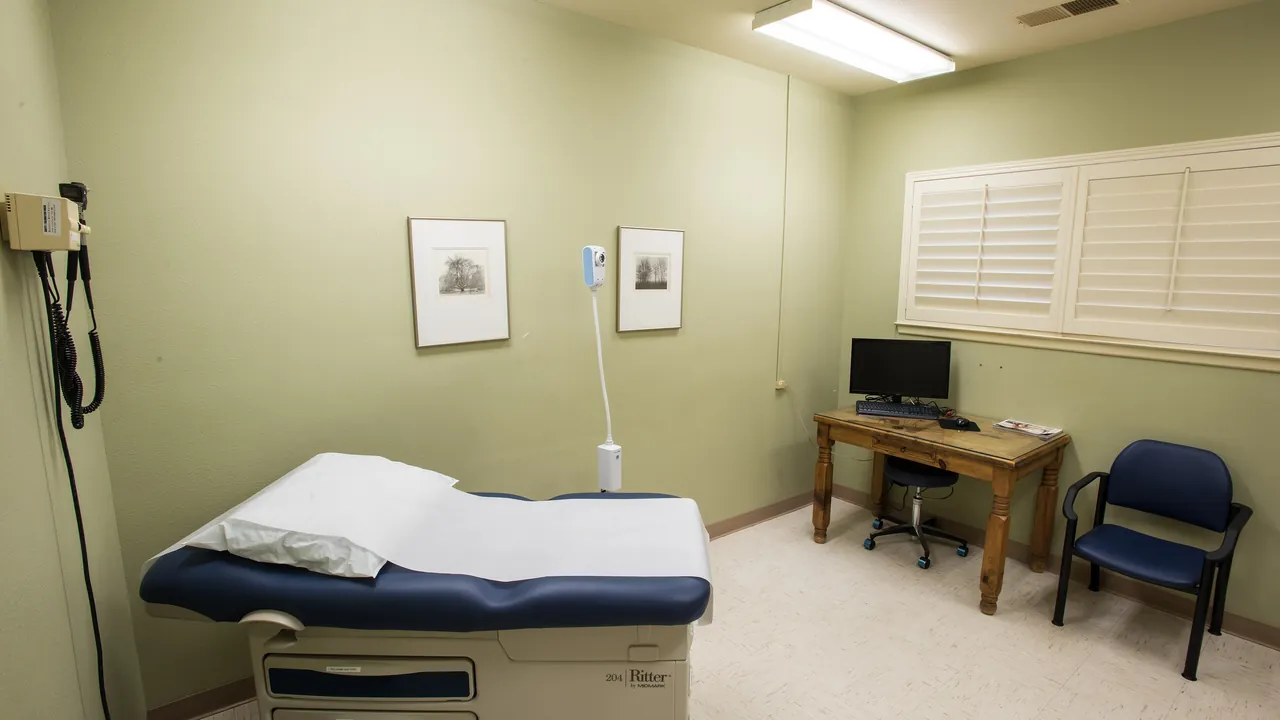
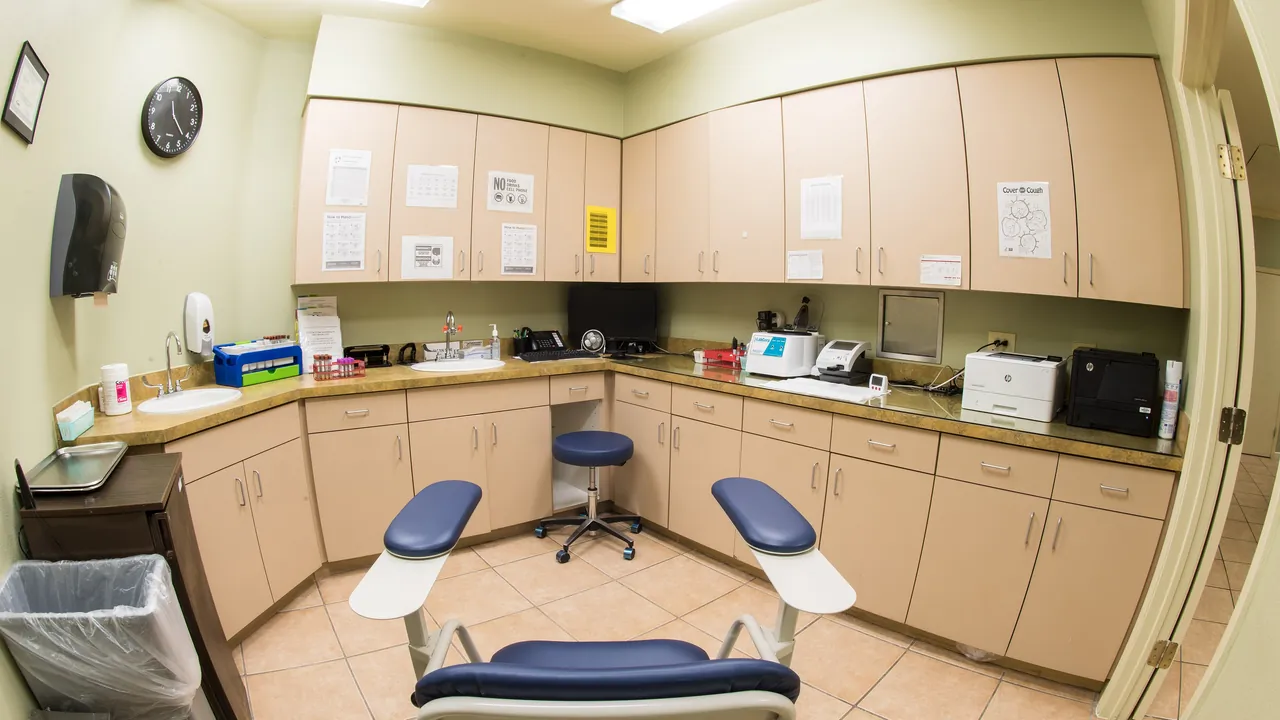
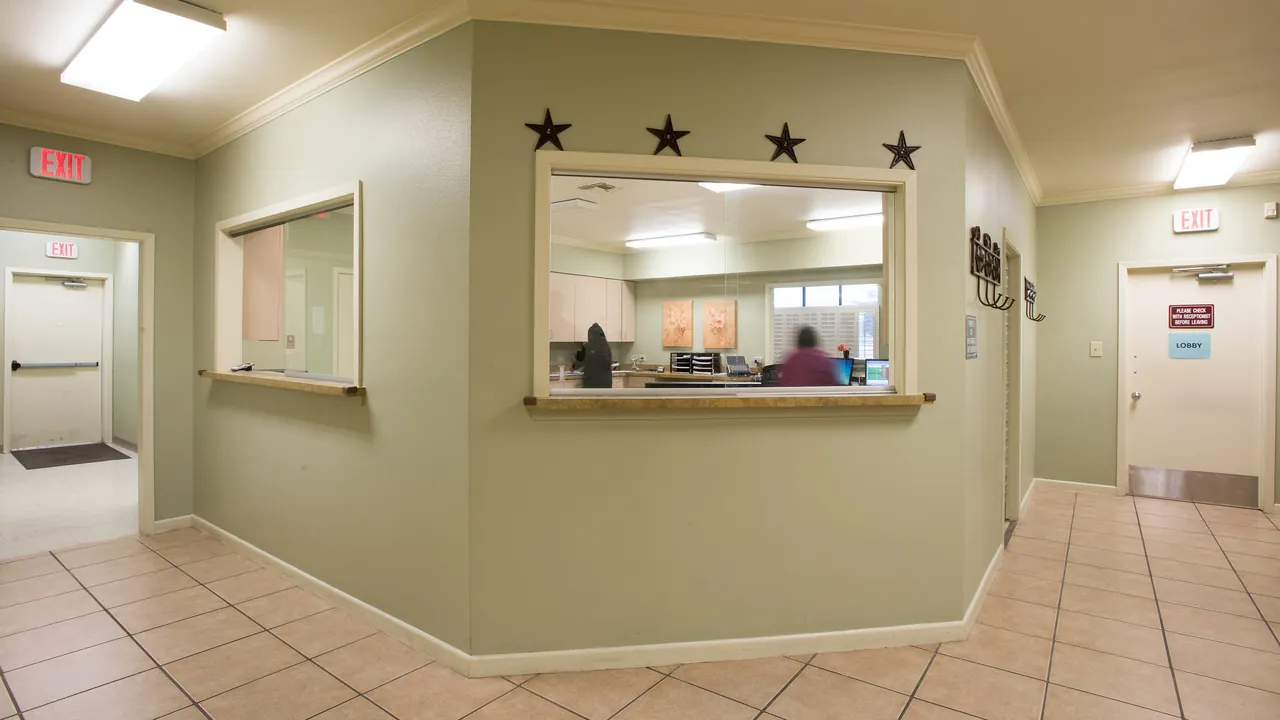
The exam rooms, the lab and the front desk your practice runs on. These are public domain U.S. government photos of a Texas community health center. They are not photos of Inshora clients or their offices.
Texas law doesn't make a private medical practice buy business insurance. Your lease, your equipment lender and any purchase agreement usually set the requirements. These are the state and federal rules that touch your coverage, with a link to each source.
| Who it applies to | The rule | Source |
|---|---|---|
| Malpractice insurance for physicians | Texas statutes don't require physicians to carry it. Many hospitals require it for privileges. | TMB |
| Patient data breach (HIPAA) | Covered entities must notify affected patients without unreasonable delay and no later than 60 days after discovering a breach of unsecured protected health information. | HHS |
| Texas breach notice | Notify affected people within 60 days of determining a breach occurred. If it involves at least 250 Texans, notify the attorney general within 30 days. | Bus. & Com. Code §521.053 |
| Workers' comp | Optional for most private employers. If you don't carry it, you must report that to the state. | TDI |
| Certificates of insurance | Must be on a TDI-approved form for Texas risks and can't alter, amend or extend what the policy covers. | TDI |
Your lease, your equipment financing and any hospital or payer contract are where most insurance requirements live. Send them with your quote request and we'll match the limits. More detail in our guide to commercial insurance requirements in Texas.
None of these is required by Texas law for a private practice. Your lease, your lender and what you could afford to lose decide what you carry. Malpractice is listed last because it covers something different: patient care.
| Coverage | What it pays for | Required? | Who usually asks |
|---|---|---|---|
| Business owner's policy (BOP) | Property and general liability bundled together, often with business income. Many smaller offices qualify, depending on the carrier. | Recommended | Landlords, lenders |
| General liability | A patient or visitor slips in the waiting room, plus legal defense. That is a premises injury, not a malpractice claim. | Often in contracts | Landlords |
| Property & equipment | Exam tables, lab and diagnostic equipment, computers, furniture, supplies and the improvements you paid for in your suite, from fire, theft and other covered causes. | Often in contracts | Landlords, lenders |
| Financed or leased equipment | Equipment you are still paying for, insured for its full value with the lender listed on the policy. | Often in contracts | Equipment lenders and lessors |
| Equipment breakdown | Electrical or mechanical failure of equipment such as diagnostic machines, sterilizers, refrigerators and HVAC. | Recommended | Offices with costly equipment |
| Business income & extra expense | Lost income, ongoing bills and the extra cost of working from a temporary space while a covered loss keeps you closed. | Recommended | Practices that could not ride out a long closure |
| Cyber | A breach of patient records or a ransomware attack, plus notification and recovery costs. | Recommended | Any office with electronic health records |
| Workers' compensation | Medical bills and lost wages for staff hurt on the job, and it limits lawsuits from employees. | Recommended | Some leases and hospital contracts |
| Employment practices liability | Claims from employees or applicants for wrongful termination, discrimination or harassment. | Recommended | Practices with staff |
| Crime & fidelity | Employee theft of money, such as front-desk collections or billing. | Recommended | Offices that take payments |
| Hired & non-owned auto | The practice's liability when staff drive their own cars for work, like bank deposits or hospital runs. See commercial auto. | Recommended | Practices whose staff drive for work |
| Commercial umbrella | Extra liability limits on top of general liability and auto. | Often in contracts | Landlords and contracts that want higher limits |
| Professional liability (malpractice) | Claims that patient care fell below the standard of care, plus legal defense. A separate policy from everything above. We can quote it alongside. | Often in contracts | Hospitals for privileges, payers, employers of providers |
Most coverage gaps come from assuming one policy covers everything. Here's how claims usually sort out. Your actual policy wording decides.
| What happens | Usually covered by | Watch out |
|---|---|---|
| A patient slips on a wet floor in the waiting room | General liability | It's a premises claim, not malpractice. Most practices need both policies. |
| A fire next door closes your suite for six weeks | Property, then business income & extra expense | Pick a business income limit that covers rent, payroll and loans for a realistic closure. |
| A power surge ruins a diagnostic machine | Property or equipment breakdown, depending on the cause | Standard property policies usually exclude electrical breakdown. Equipment breakdown fills that gap. |
| Ransomware locks your scheduling and records system | Cyber | Carriers ask about multi-factor authentication and backups. |
| The power goes out and the vaccine refrigerator warms up | Spoilage coverage, if you add it | Ask whether it covers power failures that start away from your office. |
| A front-desk employee skims patient payments | Crime & fidelity | Carriers ask who reconciles the daily deposits. |
| A patient says a diagnosis was missed | Professional liability (malpractice), not your business policies | A BOP and general liability exclude professional services claims. |
There's no honest single number. Carriers weigh these factors differently, which is why we compare 25+ of them instead of quoting one.
| Factor | Why it matters | What helps |
|---|---|---|
| Equipment values | Diagnostic, lab and office equipment drive the property price. | Have an equipment list with values, including financed items. |
| Building and lease | Construction, roof age, ZIP code and what your lease makes you insure. | Send the insurance section of your lease. |
| Specialty and procedures | What you do in the office affects liability and eligibility for a BOP. | Describe the procedures, not just the specialty. |
| Records and security | Multi-factor authentication, backups and encryption affect cyber price and eligibility. | Know how and where your records are stored. |
| Staff and payroll | Payroll drives workers' comp. Staff count affects employment practices coverage. | Have head count and payroll by role. |
| Claims in the last 3 to 5 years | Past claims are the strongest signal carriers have. | Have your loss runs ready. We can request them. |
Owners mix these up all the time. Your business policies protect the practice as a business. Malpractice protects you against claims about patient care. Here's how they usually split; your policy wording decides.
| Policy | Usually pays for | Usually does not pay for |
|---|---|---|
| Business owner's policy (BOP) | Office property and equipment, premises injuries, and lost income after covered damage | Patient-care claims, data breaches, employee injuries |
| General liability | Injuries and property damage that are not about treatment, like a fall in the lobby | Claims that care was done wrong or missed |
| Cyber | Breach response, patient notices, ransomware and system downtime | Patient-care claims and physical damage |
| Workers' compensation | Staff injuries on the job | Injuries to patients or visitors |
| Professional liability (malpractice) | Claims about patient care, plus legal defense | Slip-and-falls, data breaches, property damage |
Line up coverage before you sign the lease or close the purchase. These are the items that most often get missed.
It takes about a minute. Already insured? Email us your declarations page instead.
Within 15 minutes during office hours, Mon–Fri 9–5:30. After hours, the next business morning.
You see your options side by side, in plain English. We're an independent agency, so we don't work for one insurance company.
Every year before your policies renew, we shop them again.
Have these handy if you can. Don't have them all? Start anyway and we'll walk you through it.
Prefer email? Send documents to support@inshoragroup.com with your business name in the subject. We'll call you to go over them.
Most offices carry a business owner's policy or separate property and general liability, equipment coverage, business income, cyber for patient records, and often workers' comp. Employment practices and crime coverage are common add-ons. Malpractice is a separate policy we can quote alongside. Start a quote and we'll go through each one.
General liability covers injuries and damage that aren't about treatment, like a visitor who trips in your lobby. Malpractice (professional liability) covers claims that patient care was done wrong or missed. General liability usually excludes professional services, so most practices need both.
A BOP usually bundles property coverage for your equipment, furniture and improvements, general liability for premises injuries, and business income after covered damage. It doesn't cover malpractice, data breaches or employee injuries. Eligibility depends on the carrier and what you do in the office.
Yes, if you set it up that way. Property coverage pays to repair or replace damaged equipment, equipment breakdown covers electrical and mechanical failure, and business income pays lost income and ongoing bills while a covered loss keeps you closed. Insure equipment at replacement cost and list financed items with the lender.
Usually a BOP or property and general liability, coverage for your equipment and build-out, business income, cyber, and workers' comp if you choose it. Your lease will set the liability limits and ask for a certificate of insurance. We work with practices across Houston, its suburbs and other Texas cities, including Sugar Land.
Send the insurance section of the lease, the suite address and square footage, your specialty, an equipment list with values, staff count and payroll, and any current declarations pages. We'll quote to the lease limits and send the certificate to your landlord, with them added as an additional insured by endorsement if the lease requires it.
The seller's equipment list and values, the lease or building, any financed equipment, cyber and records, and the seller's claims history. Have your business coverage start the day you take over. Ask separately how past patients are handled under the seller's malpractice coverage.
Not by state statute for physicians, according to the Texas Medical Board. Many hospitals require it for privileges, and payers and employers often ask for it too. We can quote professional liability alongside your business coverage.
Cyber insurance can pay for breach response, notices, credit monitoring and ransomware recovery, depending on the policy. HIPAA requires patient notice no later than 60 days after discovering a breach of unsecured health information (HHS), and Texas requires notice to the attorney general within 30 days when at least 250 Texans are affected (§521.053).
Not for most private employers. If you don't carry it, you must report that to the state, and injured employees can sue the practice. TDI explains the rules.
Have us re-shop it. We compare 25+ carriers every year at renewal, which is how we look for a better option when one company raises the rate. Send us your current declarations pages or start a quote.
We can. We're an independent insurance agency serving Houston, its suburbs and other Texas cities since 2013, including Sugar Land, Katy and Richmond. We compare liability, equipment and cyber coverage from 25+ carriers. Call (713) 943-9985 and we'll call back within 15 minutes during office hours.
6920 Brisbane Ct Ste 234, Sugar Land, TX 77479. We insure businesses across Fort Bend, greater Houston and other Texas cities.
Pick your business type and ZIP. We'll compare carriers now and re-shop your policies every year at renewal.
Sources checked Nov 27, 2026. Photos on this page are public domain U.S. Department of Agriculture photos from Wikimedia Commons. They are not pictures of Inshora clients or their offices.
Independent insurance agency serving Houston, its suburbs and other Texas cities since 2013. Inshora Group is not an insurance company. Policies are issued by the insurance companies we represent, and coverage, availability and price depend on each company's underwriting. This page is general information, not legal advice or a quote.
